Like many people, my fascination with the local environment started with native plants. And you can't ask for better subjects for a phenology journal, because plants can change dramatically throughout the year. Just as important for someone documenting seasonal changes, they're stationary. In fact, they almost seem to pose for you.
Barring some type of major environmental change—at worst, fire, flood, or major infestation; at the most mundane, someone getting carried away with a lawn mower—the plants will be there the next day. The next month and the next season, they might be withered and rusty late into autumn, heavy and swollen from a recent winter rain, or vibrant and in bloom in the spring. But they will be there.
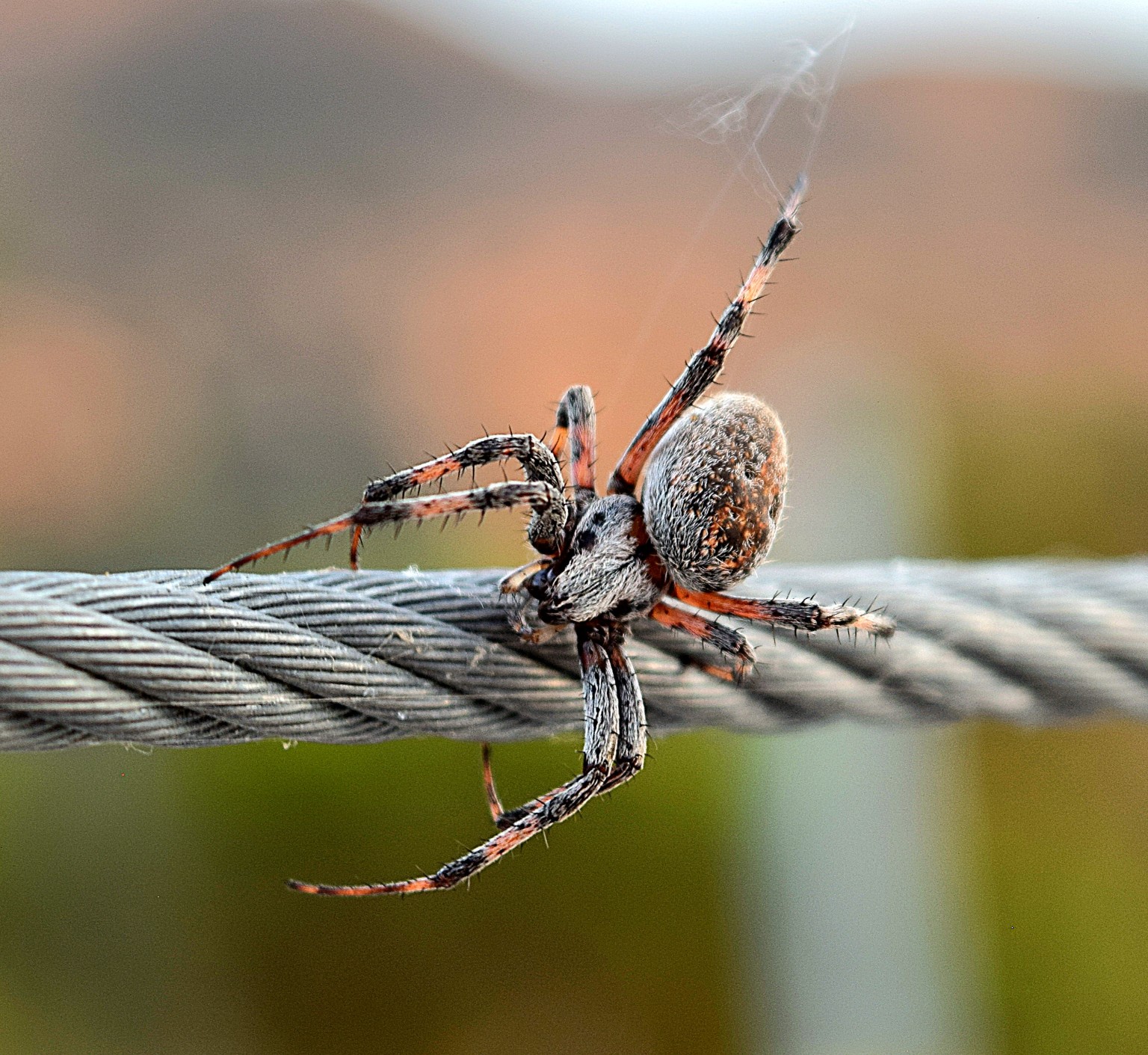
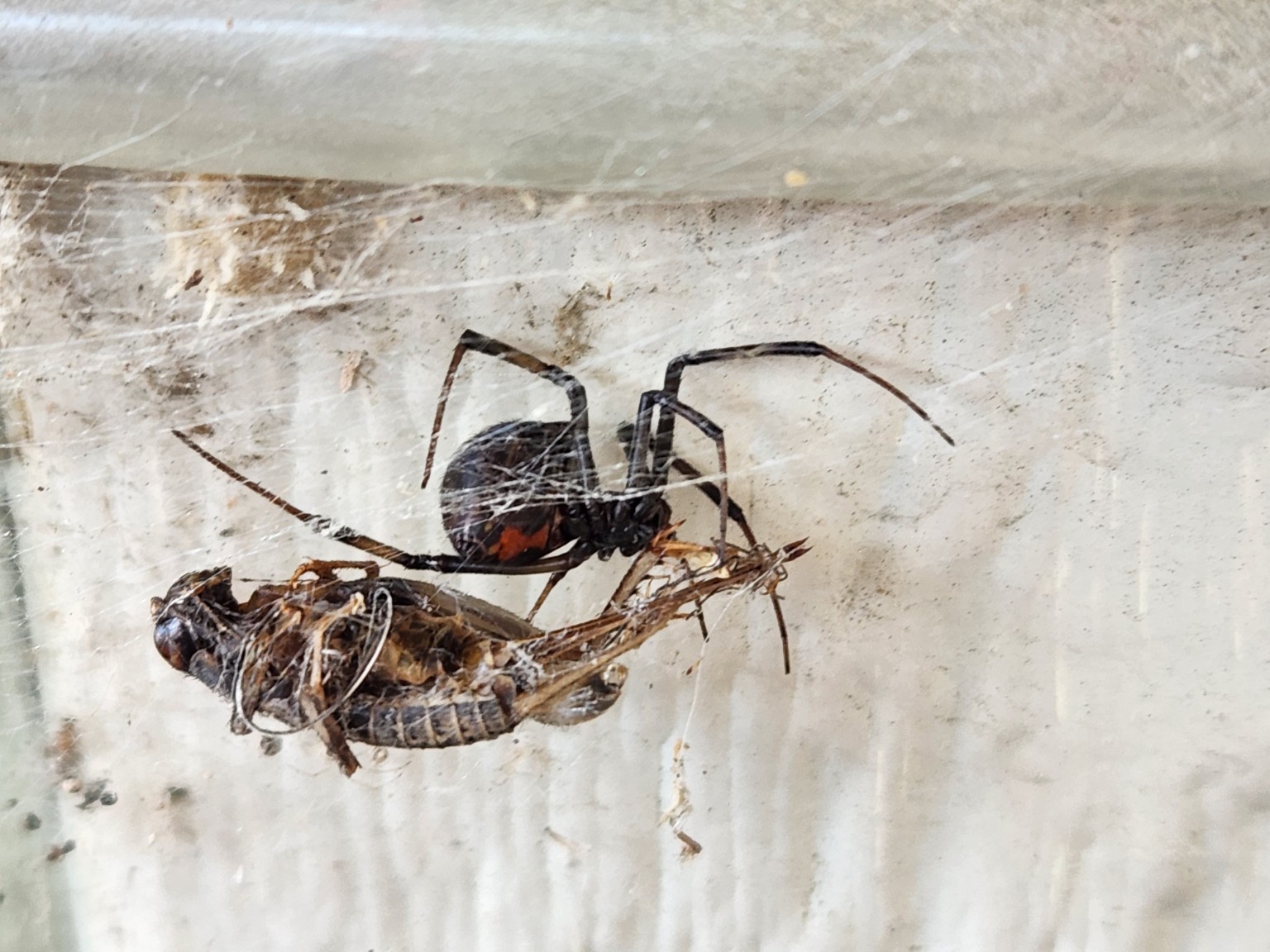
Wildlife, however, is fleeting. I frequently find myself looking for tracks in the mud or soft dirt, or investigating scat, dirt mounds, and abandoned webs, all in the vain attempt to catch a glimpse of a furry, scaled, or winged subject. You can try to time your excursions to align with their activity, both throughout the seasons and throughout the day, but sometimes encountering creatures is just dumb luck. And being prepared to take a focused photograph of them is even trickier.
Nevertheless, over the past couple of weeks, I was able to observe quite a bit of wildlife. It just took patience and consistency.
For the past five nights, at approximately 7:45 p.m., I've watched a colony of at least 400 to 500 bats emerge at Green River and fly north over the golf course. At first, we thought they were coming from an underpass beneath the freeway. After returning night after night and watching more closely, we finally located their roost: the entry bridge to Green River Golf Course. Although I still can't see them in enough detail to identify the species, there is no mistaking the spectacle—hundreds of bats pouring from beneath the bridge together at dusk.
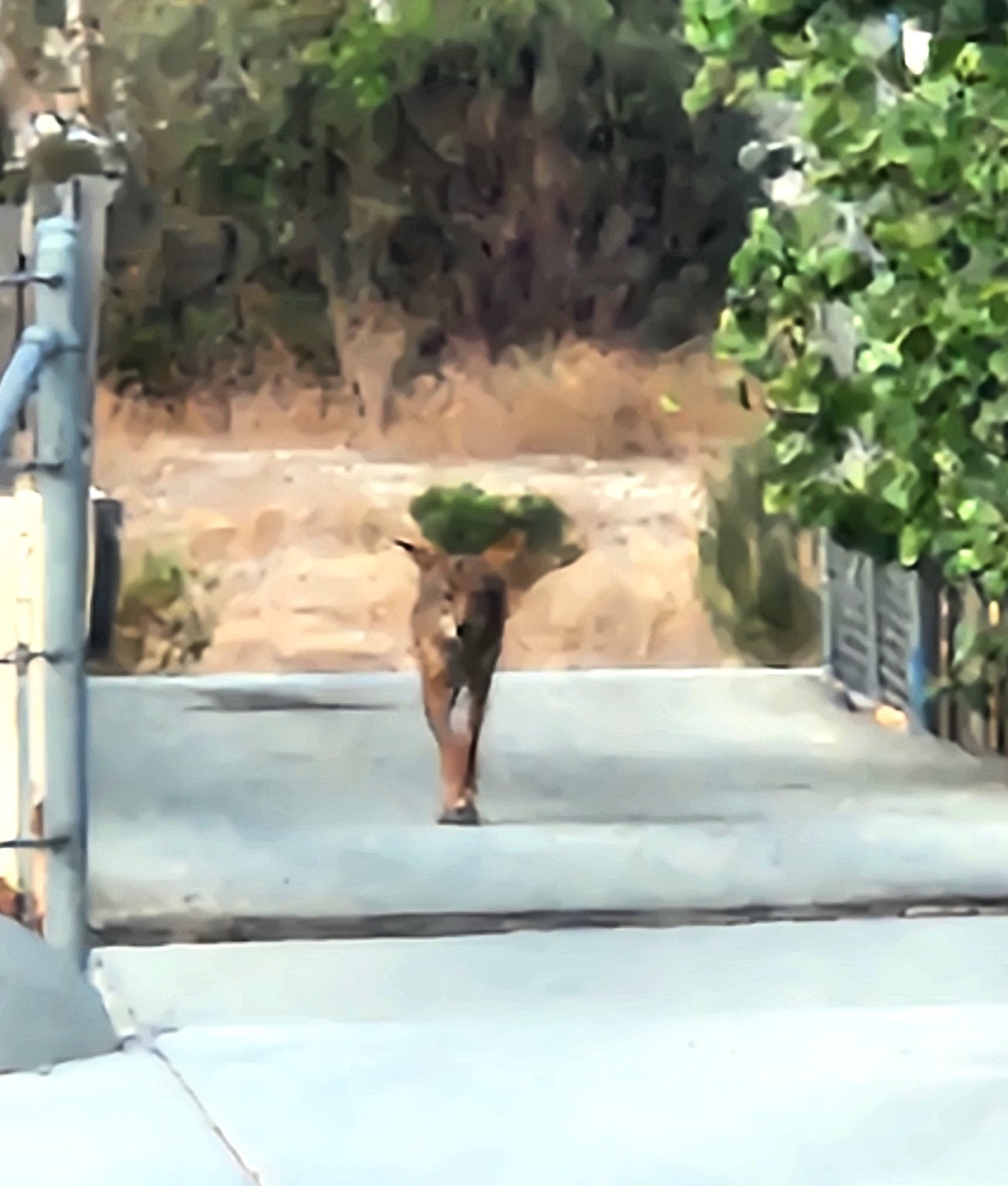
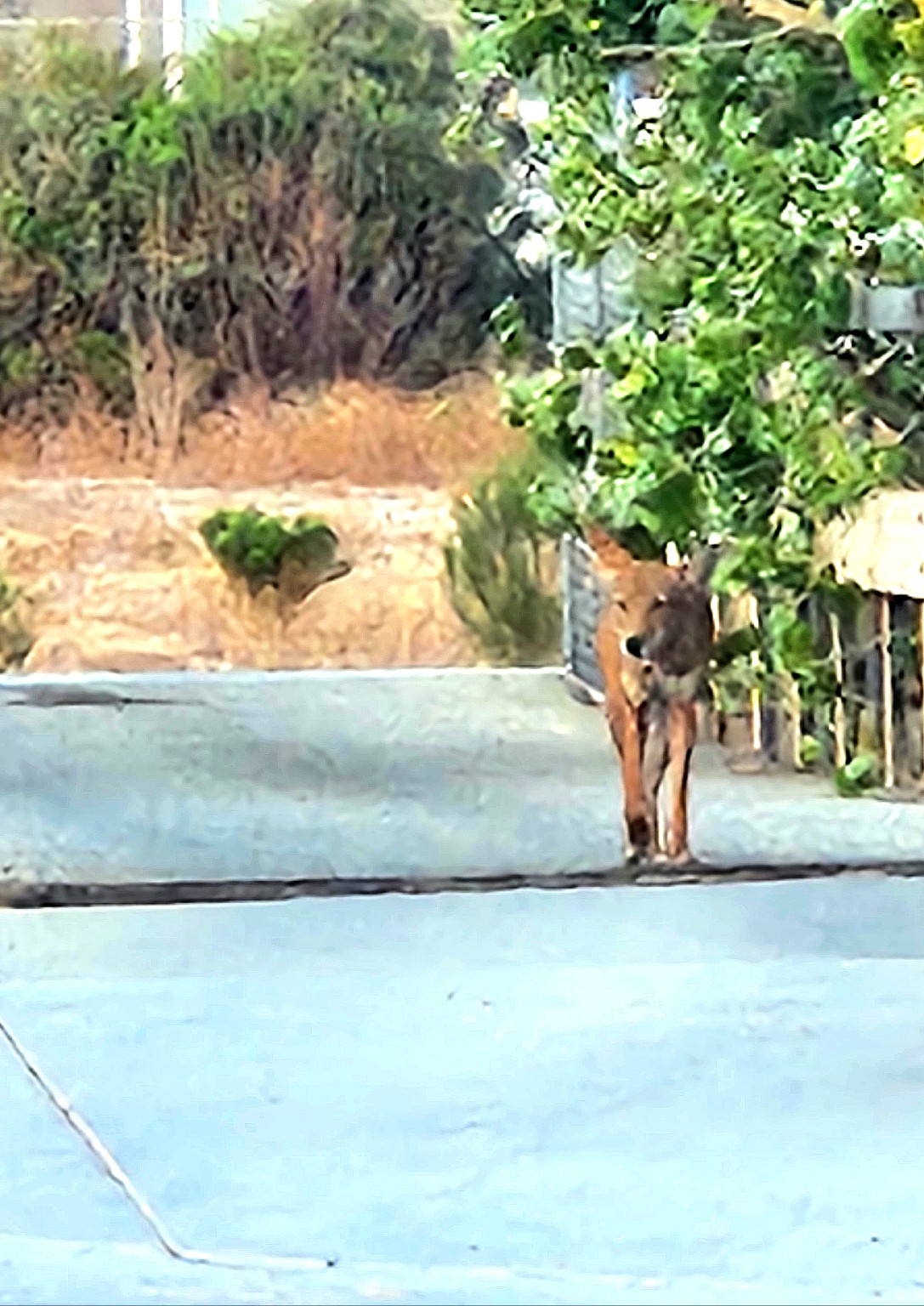
I've also been fortunate to see several coyotes emerge around dusk. A couple of them appear to be juveniles, possibly from the litter of pups hiding under thick pine brush that we heard yelping back in April or May. There have also been an adult or two. One was crossing the service road, heading south toward the river, while another took a snooze in the lush golf course grass.
One encounter, captured in the photographs, was with a juvenile crossing the bridge by the railroad. The coyote saw us and nearly turned around, but after a few seconds seemed to decide we weren't a threat. He continued on his way and finished his passage across the bridge.